Starborn: Do the Stars at Your Birth Influence Your Personality?
For centuries, humans have looked to the night sky in search of meaning, believing that the stars and planets hold the secrets to their identities and destinies. Astrology, the ancient practice of interpreting celestial movements, suggests that the precise alignment of the stars at the moment of birth shapes an individual’s personality, tendencies, and even life path. But is there truth to this idea? Can the heavens truly influence who we are, or is personality shaped more by genetics, environment, and personal experiences?
The Astrological Foundation of Personality
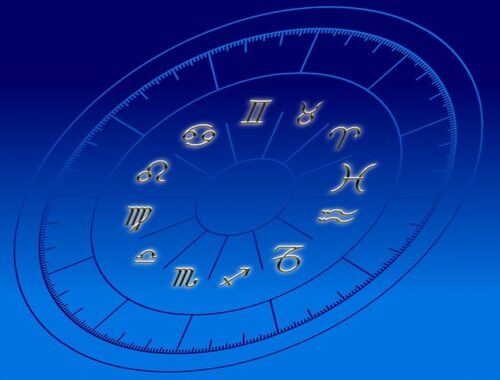
Astrology is based on the premise that the position of celestial bodies at the time of birth has an impact on a person’s character and behavior. This concept dates back thousands of years to civilizations such as the Babylonians and Egyptians, who meticulously tracked planetary movements and associated them with human traits. Over time, the twelve-sign zodiac system emerged, dividing the sky into sections corresponding to different personality archetypes.
A birth chart, also known as a natal chart, is a detailed cosmic snapshot of the sky at the precise moment and location of birth. It includes the placement of the Sun, Moon, and planets within the twelve zodiac signs and astrological houses. Each of these placements is said to contribute unique characteristics, strengths, and challenges to an individual’s personality.
The Sun sign, which most people are familiar with, represents core identity and ego. The Moon sign governs emotions and inner feelings, while the Ascendant, or rising sign, influences outward behavior and first impressions. In addition, planets like Mercury shape communication style, Venus influences love and relationships, and Mars governs ambition and drive. Together, these elements form a complex astrological blueprint that astrologers interpret to gain insights into personality.
The Psychological Perspective on Astrology and Personality
While astrology presents a structured system for understanding personality, modern psychology offers a different explanation. Personality traits, according to psychologists, are largely determined by a combination of genetics, upbringing, and environmental factors rather than celestial influences. Studies suggest that temperament is influenced by inherited characteristics and early childhood experiences, which shape how individuals interact with the world.
The field of personality psychology has identified several widely accepted models for understanding human traits, such as the Big Five Personality Traits, which include openness, conscientiousness, extraversion, agreeableness, and neuroticism. These traits are thought to be shaped through a combination of biology and life experiences, rather than by planetary alignments.
Despite this, many people still find that their zodiac sign descriptions resonate with them. This phenomenon can be partially explained by the Barnum Effect, a psychological tendency where individuals accept vague, generalized statements as highly personal and accurate. Because horoscopes and astrological descriptions often contain broad and relatable statements, they can feel uniquely tailored to an individual’s personality.
The Role of Self-Reflection and Perception
One reason astrology remains popular is that it provides a framework for self-reflection. Many people turn to their birth charts not necessarily for scientific validation but as a tool for understanding themselves on a deeper level. Astrology encourages introspection, prompting individuals to consider their strengths, weaknesses, and areas for growth.
For example, someone with a Sun in Capricorn may read that they are naturally disciplined and goal-oriented. Whether or not this is a direct result of the stars, it might inspire them to embrace their determination and structure their life accordingly. Similarly, a person with a strong Water sign influence, such as Pisces or Cancer, might feel validated in their emotional depth and empathy, reinforcing their sense of identity.
In this sense, astrology functions as a symbolic language, offering people a way to frame their experiences and personal journeys. Whether or not the stars directly shape personality, the interpretation of astrological insights can have a meaningful impact on self-awareness and decision-making.
Scientific Criticism and the Absence of Empirical Evidence
While astrology remains deeply embedded in human culture, it has been met with skepticism by the scientific community. There is no empirical evidence to support the idea that celestial bodies influence human personality. Extensive studies have failed to find correlations between astrological signs and personality traits, intelligence, or behavior patterns.
One of the key criticisms is that astrology lacks a testable mechanism for how planetary positions could impact personality. Unlike gravitational or electromagnetic forces, which have measurable effects on physical objects, there is no known force linking the position of Mars or Venus to a person’s temperament or preferences.
Moreover, astrological interpretations are often inconsistent. Two astrologers analyzing the same birth chart might provide different readings, leading to subjective interpretations rather than objective conclusions. This variability contrasts with the rigor of scientific psychology, which relies on measurable data and reproducible results.
Blending Astrology with Personal Growth
Despite its scientific shortcomings, astrology continues to thrive as a source of comfort, inspiration, and personal insight. For many, it is not about proving causation but about finding meaning. Astrology offers a poetic way to think about life’s patterns, challenges, and possibilities, much like mythology, literature, or philosophy.
Rather than viewing astrology as a strict determinant of personality, some people use it as a symbolic tool to guide personal growth. By exploring astrological insights, individuals may become more mindful of their behaviors, relationships, and aspirations. Whether or not the stars directly influence personality, the process of self-reflection that astrology encourages can lead to greater self-awareness and intentionality in life.
Are We Truly Starborn?
So, do the stars at birth shape personality, or is it simply human nature to seek meaning in the cosmos? The answer depends on perspective. While science does not support a direct connection between planetary alignments and personality traits, astrology provides a powerful narrative that resonates with many people. It serves as a tool for introspection, helping individuals make sense of their emotions, choices, and personal journeys.
Ultimately, whether we are shaped by the stars or by our own actions, the search for self-understanding is universal. The cosmos, vast and mysterious, continues to inspire wonder and reflection. Whether through astrology or personal introspection, the quest to understand who we are remains a fundamental part of the human experience.