Moon Phases and Mood Swings: Exploring the Emotional Pull of the Lunar Cycle
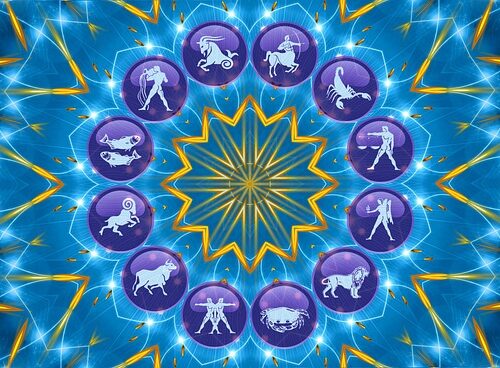
For as long as humanity has looked up at the night sky, the Moon has been a symbol of mystery, rhythm, and emotion. Unlike the steady presence of the Sun, the Moon is constantly changing—growing brighter, dimming into shadow, and disappearing entirely before beginning its cycle again. These visible shifts have inspired centuries of myths, rituals, and beliefs about the Moon’s influence over human behavior. Among the most persistent ideas is that lunar phases affect our moods, emotions, and even our decisions.
Article Sponsored by Parking Lot Striping Tallahassee
The Zodiac Through Time: How Astrology Has Changed Over the Centuries
Astrology has been a part of human culture for thousands of years, offering guidance, insight, and a way to understand the connection between the heavens and life on Earth. The concept of the zodiac, with its twelve familiar signs, has traveled across civilizations and eras, evolving to reflect cultural beliefs, scientific discoveries, and shifting perspectives on fate and personality.
Article Sponsored By: Parking Lot Striping Wichita Falls
From Astrology to Astronomy: The Evolution of Human Fascination with the Cosmos
For thousands of years, the night sky has inspired awe, wonder, and curiosity in every civilization. The sight of glittering stars, wandering planets, and celestial patterns has sparked myths, guided explorers, and ignited the pursuit of knowledge.
Article Sponsored by: Parking Lot Striping Services Jacksonville
The Cosmic Energy Shift: How Solar and Lunar Cycles Affect You
Throughout history, humans have been deeply connected to the cycles of the Sun and Moon. These celestial bodies do more than simply provide light and mark the passage of time—they influence nature, emotions, and even human behavior in ways both subtle and profound. While science explains these cycles in terms of physics and astronomy, many traditions believe that solar and lunar rhythms create energetic shifts that affect people’s moods, decisions, and overall well-being.
Understanding the effects of these cosmic cycles can help individuals align with natural rhythms, harnessing their energy for greater balance and personal growth. Whether it is the solar cycle shaping vitality and transformation or the lunar cycle guiding emotions and intuition, these cosmic forces may hold deeper significance than we realize.
The Solar Cycle: The Energy of Growth and Renewal
The Sun, the center of our solar system, is a powerful force that governs life on Earth. Its cycles influence everything from the changing seasons to the biological rhythms of plants, animals, and humans. While we often take the Sun’s energy for granted, its patterns—both daily and yearly—play a vital role in shaping personal energy levels, motivation, and transformation.
The Daily Solar Influence
The Sun follows a predictable daily pattern, rising in the morning, reaching its peak at noon, and setting in the evening. This cycle mirrors human energy fluctuations. Many people feel the most alert and energized in the morning when sunlight triggers the release of cortisol, a hormone that helps wake the body. As the Sun reaches its highest point, it symbolizes peak activity and focus, making midday an ideal time for productivity. As the Sun sets, melatonin levels rise, preparing the body for rest and renewal.
People who align their activities with this natural rhythm often find they have more energy and a greater sense of well-being. Early risers who follow the Sun’s cycle tend to experience improved mood and productivity, while those who work against their natural circadian rhythm—such as night-shift workers—often struggle with sleep, health issues, and lower energy levels.
The Annual Solar Cycle and Personal Growth
Beyond its daily movement, the Sun follows an annual cycle, marked by the solstices and equinoxes. These seasonal shifts symbolize different phases of life, growth, and renewal.
- Spring Equinox: This period represents new beginnings, renewal, and awakening energy. Many cultures associate this time with fresh starts, planting seeds, and taking action on new goals.
- Summer Solstice: As the longest day of the year, the summer solstice is a time of peak energy, creativity, and vitality. It is a powerful time for taking bold steps and embracing personal expansion.
- Autumn Equinox: This season invites balance and reflection. It is a period to harvest the results of past efforts and prepare for slower, more introspective times.
- Winter Solstice: The darkest time of the year symbolizes rest, deep inner work, and transformation. It encourages individuals to retreat, reflect, and prepare for new growth in the coming cycle.
By recognizing these solar shifts, people can work with natural energy rather than against it, using each season to support their personal goals, rest cycles, and periods of change.
The Lunar Cycle: The Energy of Emotion and Intuition
Unlike the steady, structured energy of the Sun, the Moon governs emotions, intuition, and the subconscious. Its cycle, which lasts approximately 29.5 days, has been linked to mood fluctuations, sleep patterns, and decision-making. Many spiritual traditions believe that working with lunar energy can enhance personal growth, emotional healing, and self-awareness.
The Phases of the Moon and Their Influence
Each lunar phase carries a distinct energy that affects both inner and outer experiences.
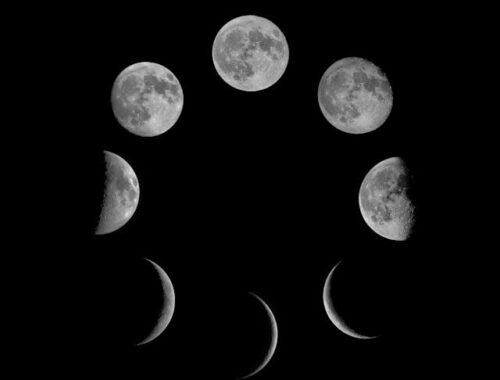
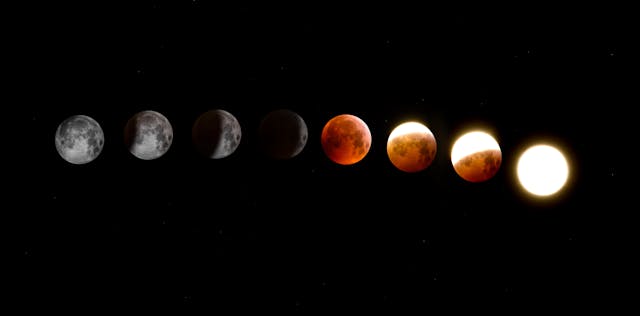
- New Moon: This is a time of new beginnings and setting intentions. The energy is quiet and introspective, making it an ideal time for reflection and planning future goals.
- Waxing Moon: As the Moon grows in light, so does motivation and momentum. This phase supports taking action, starting projects, and building energy.
- Full Moon: The peak of lunar energy, the Full Moon is associated with heightened emotions, clarity, and manifestation. It is often a time of culmination and realization, where results of past efforts become visible. Many people report feeling more energized or emotionally intense during this phase.
- Waning Moon: As the Moon decreases in brightness, it invites a time of release and letting go. This is a phase for reflection, cleansing, and clearing out old habits, thoughts, or situations that no longer serve a purpose.
Lunar Energy and Human Emotion
Scientific research suggests that the Moon’s gravitational pull affects tides, and since the human body is largely made of water, some believe it may influence emotions in a similar way. While there is no definitive scientific proof that the Moon causes mood swings, many people report feeling more sensitive, restless, or intuitive around the Full Moon.
Traditional beliefs hold that heightened dreams, strong intuition, and emotional breakthroughs occur during lunar peaks, making it a powerful time for meditation, journaling, and deep personal insight. By paying attention to how one feels during different moon phases, individuals can better understand their own emotional cycles and use lunar energy to enhance self-awareness.
The Intersection of Solar and Lunar Cycles
While the Sun provides stability, structure, and long-term growth, the Moon offers fluidity, emotional depth, and short-term shifts. Together, these two celestial bodies create a balance of energy that influences personal well-being.
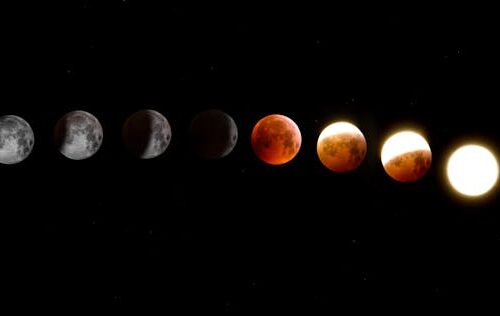
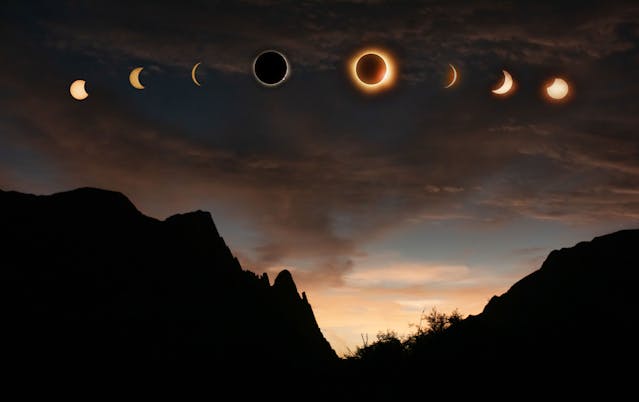
Some of the most potent energetic shifts occur when the solar and lunar cycles align in significant ways, such as during eclipses. Solar eclipses, which occur during a New Moon, are seen as powerful moments of transformation, often bringing sudden shifts in perspective or major life changes. Lunar eclipses, which happen during a Full Moon, are thought to reveal hidden truths, encourage emotional breakthroughs, and help individuals release past burdens.
Many cultures have long believed that these celestial events mark periods of deep change, both on a collective and personal level. Whether seen as cosmic coincidence or a symbolic force, eclipses and celestial alignments often bring about introspection and reevaluation.
Using Cosmic Energy to Enhance Daily Life
While solar and lunar cycles may seem distant or abstract, their effects can be felt in everyday life. By tuning into these cosmic rhythms, individuals can align their personal actions with natural cycles, leading to greater balance, creativity, and emotional well-being.
For those who feel energized by the Sun, following its cycles can help structure productivity and growth. For those who are deeply attuned to emotions and intuition, working with lunar phases may provide guidance for decision-making and self-reflection.
Rather than viewing these celestial influences as forces beyond control, they can be seen as natural guides—subtle yet powerful energies that help individuals navigate life with greater awareness. Whether through astrology, spirituality, or simply observing nature, recognizing these cosmic shifts allows people to work with the universe rather than against it, creating a more harmonious and intentional life journey.
Starborn: Do the Stars at Your Birth Influence Your Personality?
For centuries, humans have looked to the night sky in search of meaning, believing that the stars and planets hold the secrets to their identities and destinies. Astrology, the ancient practice of interpreting celestial movements, suggests that the precise alignment of the stars at the moment of birth shapes an individual’s personality, tendencies, and even life path. But is there truth to this idea? Can the heavens truly influence who we are, or is personality shaped more by genetics, environment, and personal experiences?
The Astrological Foundation of Personality
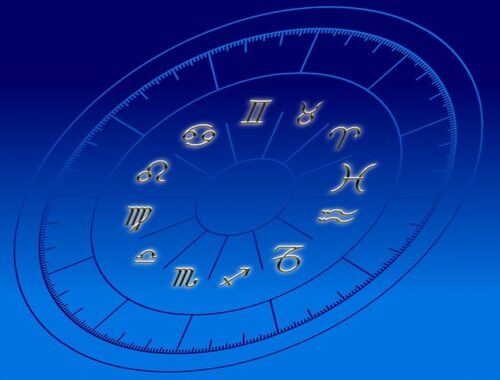
Astrology is based on the premise that the position of celestial bodies at the time of birth has an impact on a person’s character and behavior. This concept dates back thousands of years to civilizations such as the Babylonians and Egyptians, who meticulously tracked planetary movements and associated them with human traits. Over time, the twelve-sign zodiac system emerged, dividing the sky into sections corresponding to different personality archetypes.
A birth chart, also known as a natal chart, is a detailed cosmic snapshot of the sky at the precise moment and location of birth. It includes the placement of the Sun, Moon, and planets within the twelve zodiac signs and astrological houses. Each of these placements is said to contribute unique characteristics, strengths, and challenges to an individual’s personality.
The Sun sign, which most people are familiar with, represents core identity and ego. The Moon sign governs emotions and inner feelings, while the Ascendant, or rising sign, influences outward behavior and first impressions. In addition, planets like Mercury shape communication style, Venus influences love and relationships, and Mars governs ambition and drive. Together, these elements form a complex astrological blueprint that astrologers interpret to gain insights into personality.
The Psychological Perspective on Astrology and Personality
While astrology presents a structured system for understanding personality, modern psychology offers a different explanation. Personality traits, according to psychologists, are largely determined by a combination of genetics, upbringing, and environmental factors rather than celestial influences. Studies suggest that temperament is influenced by inherited characteristics and early childhood experiences, which shape how individuals interact with the world.
The field of personality psychology has identified several widely accepted models for understanding human traits, such as the Big Five Personality Traits, which include openness, conscientiousness, extraversion, agreeableness, and neuroticism. These traits are thought to be shaped through a combination of biology and life experiences, rather than by planetary alignments.
Despite this, many people still find that their zodiac sign descriptions resonate with them. This phenomenon can be partially explained by the Barnum Effect, a psychological tendency where individuals accept vague, generalized statements as highly personal and accurate. Because horoscopes and astrological descriptions often contain broad and relatable statements, they can feel uniquely tailored to an individual’s personality.
The Role of Self-Reflection and Perception
One reason astrology remains popular is that it provides a framework for self-reflection. Many people turn to their birth charts not necessarily for scientific validation but as a tool for understanding themselves on a deeper level. Astrology encourages introspection, prompting individuals to consider their strengths, weaknesses, and areas for growth.
For example, someone with a Sun in Capricorn may read that they are naturally disciplined and goal-oriented. Whether or not this is a direct result of the stars, it might inspire them to embrace their determination and structure their life accordingly. Similarly, a person with a strong Water sign influence, such as Pisces or Cancer, might feel validated in their emotional depth and empathy, reinforcing their sense of identity.
In this sense, astrology functions as a symbolic language, offering people a way to frame their experiences and personal journeys. Whether or not the stars directly shape personality, the interpretation of astrological insights can have a meaningful impact on self-awareness and decision-making.
Scientific Criticism and the Absence of Empirical Evidence
While astrology remains deeply embedded in human culture, it has been met with skepticism by the scientific community. There is no empirical evidence to support the idea that celestial bodies influence human personality. Extensive studies have failed to find correlations between astrological signs and personality traits, intelligence, or behavior patterns.
One of the key criticisms is that astrology lacks a testable mechanism for how planetary positions could impact personality. Unlike gravitational or electromagnetic forces, which have measurable effects on physical objects, there is no known force linking the position of Mars or Venus to a person’s temperament or preferences.
Moreover, astrological interpretations are often inconsistent. Two astrologers analyzing the same birth chart might provide different readings, leading to subjective interpretations rather than objective conclusions. This variability contrasts with the rigor of scientific psychology, which relies on measurable data and reproducible results.
Blending Astrology with Personal Growth
Despite its scientific shortcomings, astrology continues to thrive as a source of comfort, inspiration, and personal insight. For many, it is not about proving causation but about finding meaning. Astrology offers a poetic way to think about life’s patterns, challenges, and possibilities, much like mythology, literature, or philosophy.
Rather than viewing astrology as a strict determinant of personality, some people use it as a symbolic tool to guide personal growth. By exploring astrological insights, individuals may become more mindful of their behaviors, relationships, and aspirations. Whether or not the stars directly influence personality, the process of self-reflection that astrology encourages can lead to greater self-awareness and intentionality in life.
Are We Truly Starborn?
So, do the stars at birth shape personality, or is it simply human nature to seek meaning in the cosmos? The answer depends on perspective. While science does not support a direct connection between planetary alignments and personality traits, astrology provides a powerful narrative that resonates with many people. It serves as a tool for introspection, helping individuals make sense of their emotions, choices, and personal journeys.
Ultimately, whether we are shaped by the stars or by our own actions, the search for self-understanding is universal. The cosmos, vast and mysterious, continues to inspire wonder and reflection. Whether through astrology or personal introspection, the quest to understand who we are remains a fundamental part of the human experience.
Stardust and Destiny: Is Your Fate Truly Written in the Stars?
For as long as humans have gazed up at the night sky, they have sought meaning in the stars. Across cultures and centuries, people have believed that celestial bodies hold the power to shape their lives, influencing everything from their personalities to their destinies. Astrology, the study of how cosmic forces affect human affairs, has long been intertwined with the concept of fate. But does the position of the stars at the moment of your birth truly determine your path in life? Or is destiny something we shape for ourselves, with the stars serving only as guides?

The Ancient Connection Between the Stars and Fate
The idea that human lives are influenced by the cosmos dates back thousands of years. Ancient civilizations, from the Babylonians to the Greeks and Chinese, meticulously charted the heavens, searching for patterns and omens that could predict the future. Astrology was not simply a belief system; it was a way of understanding the universe and humanity’s place within it.
The Babylonians, who are credited with developing one of the earliest forms of astrology, saw the movements of the planets and stars as messages from the gods. They believed that celestial events, such as eclipses and planetary alignments, were signs of future occurrences, especially for rulers and nations. Similarly, the ancient Egyptians associated the stars with divine will, linking their deities to celestial bodies like Sirius, whose annual appearance heralded the life-giving flood of the Nile.
Greek philosophers and scholars, including Ptolemy, expanded upon these ideas, developing the zodiac system that continues to shape Western astrology today. The belief that planetary alignments at the time of one’s birth could influence personality traits and life events became a foundational concept, one that persists in modern astrology.
Astrology and the Power of Prediction
Many who follow astrology today believe that birth charts—also known as natal charts—can reveal not only a person’s characteristics but also their destiny. A birth chart is a detailed map of the sky at the exact moment and location of one’s birth, with planetary positions offering insight into strengths, challenges, and life purpose. Some astrologers argue that these celestial placements act as a blueprint for an individual’s journey, shaping everything from relationships to career paths.
For example, a person born with the Sun in Leo may be naturally drawn to leadership roles, while someone with a strong influence of Saturn may face early struggles but ultimately develop resilience. The idea is that the planets create a framework, setting the stage for opportunities and challenges that align with an individual’s cosmic imprint.
However, even within astrology, there is debate about whether fate is fixed or flexible. Some astrologers believe in a predetermined destiny, where major life events unfold according to celestial timing. Others argue that astrology provides tendencies and probabilities rather than absolutes, allowing free will to determine how a person responds to their planetary influences.

The Balance Between Fate and Free Will
While astrology suggests that the stars influence life’s trajectory, it does not necessarily mean that fate is written in stone. Many philosophical and spiritual traditions propose that humans have free will, the ability to make choices that shape their own paths. Even if celestial patterns suggest a particular outcome, individuals still possess the power to decide how they navigate their experiences.
A birth chart may indicate certain challenges, but how a person responds to those challenges is ultimately up to them. A strong Mars influence might suggest a fiery temper, but self-awareness and effort can transform that energy into passion and determination. Similarly, a Venus-dominated chart might point to natural artistic talent, but without effort and practice, that potential may never be realized.
The concept of destiny, then, becomes more about possibilities than certainties. The stars may offer guidance, providing insights into strengths and struggles, but they do not dictate every step. In this view, astrology serves as a tool for self-discovery rather than a script that must be followed.
Modern Perspectives on Astrology and Destiny
In today’s world, astrology continues to be a source of fascination, with many people turning to horoscopes and birth charts for guidance. While skeptics dismiss astrology as mere superstition, others find value in its insights, seeing it as a way to better understand themselves and their personal growth.
Psychologically, astrology can function as a framework for reflection. By examining their astrological influences, people may recognize patterns in their behavior, identify areas for improvement, and gain confidence in their strengths. This introspection can empower individuals to take control of their lives rather than feel bound by fate.
At the same time, scientific advancements in astronomy have deepened our understanding of the universe, leading some to question astrology’s validity. While planets and stars undeniably exert physical forces, such as gravity and light, there is no empirical evidence that their positions at birth directly shape personality or fate. Even so, the human desire for meaning and connection to something greater persists, and astrology remains a cultural and spiritual touchstone for many.
Embracing the Mystery of the Stars
So, is your fate truly written in the stars? The answer depends on how one views destiny. If fate is seen as a predetermined path, then astrology may seem like a celestial roadmap, offering glimpses into what lies ahead. However, if destiny is understood as a combination of cosmic influence and personal choice, then the stars serve more as navigational tools rather than fixed markers of fate.
Regardless of one’s beliefs, astrology continues to resonate because it speaks to a universal truth: the search for meaning in the vastness of existence. Whether through ancient charts or modern interpretations, the stars have always inspired wonder, reminding us that we are part of something greater. Whether our fate is guided by the cosmos or shaped by our own actions, the journey remains uniquely ours to take.
Celestial Secrets: What Your Zodiac Sign Reveals About Your Hidden Strengths
For centuries, astrology has been used as a tool for self-discovery, offering insight into personalities, behaviors, and life paths. While many people look to their zodiac sign for predictions about love or career, astrology also reveals hidden strengths—qualities that lie beneath the surface, waiting to be tapped into. These strengths are not always obvious, but they influence how individuals navigate challenges, build relationships, and achieve success.
The twelve zodiac signs, each connected to specific elements and planetary influences, carry unique energies that shape a person’s internal power. Understanding these celestial secrets can help individuals harness their strengths, gaining confidence and clarity in their personal journeys.
The Fire Signs: Aries, Leo, and Sagittarius – The Strength of Passion
Fire signs burn with intensity, fueled by ambition, courage, and enthusiasm. These individuals have an innate drive that pushes them forward, often making them natural leaders and visionaries.
Aries: The Warrior Spirit
Aries possesses an unmatched ability to take initiative and overcome obstacles. Their hidden strength lies in their unwavering determination. Even in the face of adversity, Aries has a fearless nature that allows them to rise above difficulties with relentless energy. When they channel this fire constructively, they become unstoppable forces of change.
Leo: The Silent Protector
While Leos are often recognized for their charisma and confidence, their hidden strength is their deep loyalty and protectiveness. They have an unshakable moral compass, standing up for those who cannot defend themselves. Though they enjoy the spotlight, their true power comes from their ability to inspire and uplift those around them.
Sagittarius: The Wisdom Seeker
Known for their adventurous spirit, Sagittarius has a strength that many overlook—wisdom. Their open-minded nature allows them to absorb knowledge from every experience, making them excellent problem-solvers. Their ability to see beyond the present moment gives them a unique perspective that helps them turn challenges into opportunities.
The Earth Signs: Taurus, Virgo, and Capricorn – The Strength of Resilience
Grounded and practical, Earth signs possess an inner fortitude that enables them to endure hardships with grace. Their hidden strengths often lie in their patience, resourcefulness, and ability to create stability.
Taurus: The Silent Force
Taurus is known for being strong-willed, but their hidden strength is their ability to remain calm under pressure. While others may waver in the face of adversity, Taurus remains steady, providing a sense of security to those around them. Their endurance and unwavering commitment to their goals make them incredibly reliable.
Virgo: The Unseen Healer
Often associated with perfectionism, Virgo’s true strength lies in their deep empathy and ability to heal others. They have a natural gift for understanding what people need, even when it’s unspoken. This sensitivity makes them incredible friends, caregivers, and mentors who can transform the lives of those they touch.
Capricorn: The Master Strategist
Capricorns are often seen as ambitious, but their real strength is their ability to play the long game. They possess an incredible level of patience and discipline, allowing them to achieve success through meticulous planning. While others may seek quick rewards, Capricorn understands that true greatness takes time, making them masters of perseverance.
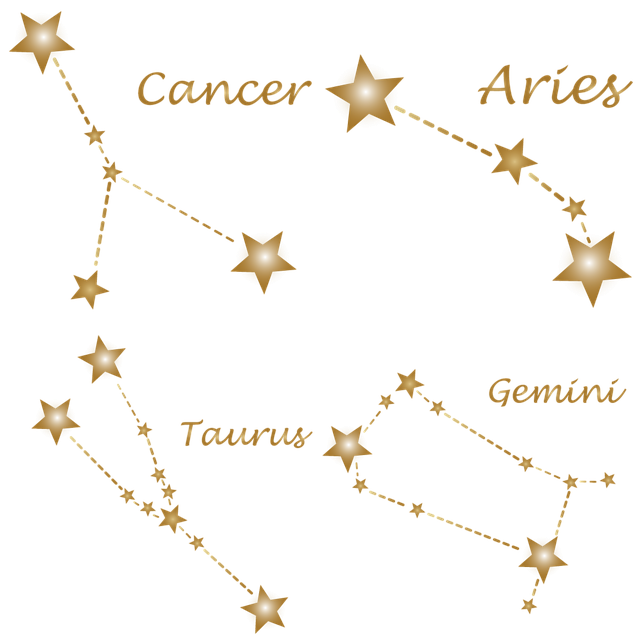
The Air Signs: Gemini, Libra, and Aquarius – The Strength of Perception
Air signs are known for their intelligence, communication skills, and adaptability. However, their greatest strengths lie in their ability to see the world from different perspectives, offering insight that others may overlook.
Gemini: The Chameleon of Ideas
Geminis are often labeled as social butterflies, but their hidden strength is their mental agility. Their ability to process information quickly allows them to adapt to any situation, making them problem-solvers and innovators. Whether navigating social dynamics or mastering new skills, Geminis have an unparalleled ability to thrive in uncertainty.
Libra: The Peacemaker’s Power
Libras are known for their diplomacy, but their hidden strength is their ability to transform conflict into harmony. While others shy away from difficult conversations, Libra has a unique ability to find balance and resolution. Their intuitive understanding of human nature makes them powerful mediators, capable of bringing people together in ways that others cannot.
Aquarius: The Visionary Mind
Often seen as unconventional, Aquarius has a strength that many fail to recognize—foresight. They possess a deep understanding of future possibilities, allowing them to challenge norms and introduce new ways of thinking. Their innovative mindset and ability to envision change make them true revolutionaries in any field they pursue.
The Water Signs: Cancer, Scorpio, and Pisces – The Strength of Intuition
Deeply emotional and intuitive, Water signs hold a powerful connection to the unseen. Their greatest strengths lie in their ability to understand emotions, perceive hidden truths, and connect with others on a soul level.
Cancer: The Emotional Fortress
While Cancer is often seen as sensitive, their hidden strength is their emotional endurance. They can carry the weight of others’ emotions while remaining steadfast in their own beliefs. This resilience allows them to provide comfort and support to those in need, making them the heart and soul of any relationship.
Scorpio: The Power of Transformation
Scorpios are known for their intensity, but their true strength lies in their ability to reinvent themselves. They can endure hardship and emerge stronger, unafraid to shed what no longer serves them. Their depth of understanding gives them a unique ability to guide others through transformation and renewal.
Pisces: The Dream Weaver
Often seen as daydreamers, Pisces’ hidden strength is their extraordinary creativity and emotional insight. They can see beauty and meaning where others do not, giving them the power to inspire, heal, and create. Their sensitivity is not a weakness—it is a gift that allows them to tap into unseen realms of thought and feeling.
Unlocking Your Celestial Strength
Understanding your zodiac sign’s hidden strengths can provide a deeper sense of self-awareness. While some strengths may be obvious, others require self-reflection to fully recognize and embrace. The zodiac serves as a cosmic mirror, revealing the qualities that can help individuals overcome challenges and fulfill their true potential.
Each person’s strengths are unique, but the stars offer a guiding light, reminding us that within each of us lies an incredible power waiting to be harnessed. By tapping into these celestial secrets, we can navigate life with greater purpose, confidence, and understanding.
The Language of the Stars: How Ancient Civilizations Used Astrology to Navigate Life
For thousands of years, humans have looked up at the night sky, seeing not just distant points of light but a celestial map filled with meaning. Long before modern science could explain the nature of stars and planets, ancient civilizations developed intricate systems of astrology to interpret their movements and their supposed influence on human affairs. These early cultures believed that the heavens were not only a divine canvas but also a guide to understanding time, fate, and destiny.
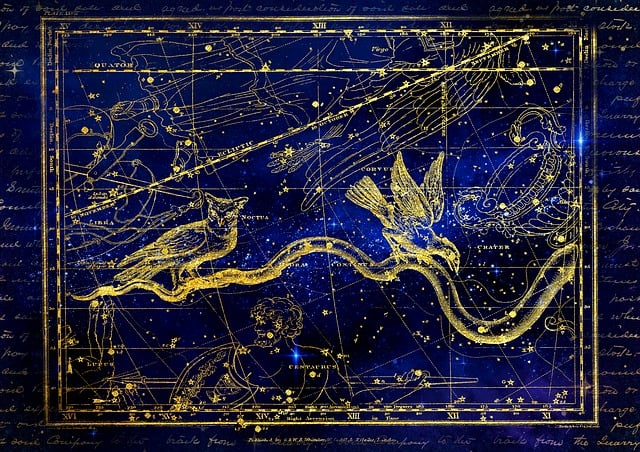
Astrology, derived from the Greek word astrologia, meaning “study of the stars,” was an integral part of many societies. It shaped calendars, dictated royal decisions, guided travelers, and was deeply woven into religion, mythology, and daily life. The belief that celestial bodies had a direct impact on earthly events was universal, though different civilizations interpreted their significance in unique ways.
The Birth of Astrology in Mesopotamia
One of the earliest known civilizations to study the stars was Mesopotamia, home to the Babylonians and Sumerians. Around 2000 BCE, Babylonian priests meticulously observed planetary movements, recording their positions and seeking patterns in their behavior. They believed that the gods communicated through the heavens, and these celestial messages could predict the fate of kings, nations, and individuals.
Their astrological system was closely tied to their religious beliefs. The Babylonians identified planets with gods—Jupiter was associated with Marduk, Venus with Ishtar, and Saturn with Ninurta. Eclipses were seen as omens, often interpreted as warnings of impending doom. By charting the stars, they created one of the earliest known zodiac systems, dividing the sky into twelve sections that would later influence the astrology we recognize today.
Egyptian Astrology and the Cosmic Order
Ancient Egypt also placed great significance on the stars, particularly in relation to their deities and the afterlife. The movements of celestial bodies were believed to reflect the will of the gods, and astrology played a role in temple rituals, agricultural cycles, and royal coronations.
One of the most important stars in Egyptian astrology was Sirius, the brightest star in the night sky. Its annual rising coincided with the flooding of the Nile, an event crucial to sustaining life in Egypt. This alignment led to the belief that Sirius held divine power, and it was associated with the goddess Isis. The Egyptian calendar itself was structured around these astronomical observations, with a sophisticated system that divided time according to celestial cycles.
The pharaohs, believed to be living gods, were thought to have destinies written in the stars. Astrologers were often consulted before making important political or military decisions, ensuring that actions were taken in harmony with the cosmic order.
Greek and Roman Contributions to Astrology
While astrology had long been practiced in Mesopotamia and Egypt, it was the Greeks who expanded and formalized the system into what we recognize today. The philosopher Pythagoras and mathematician Hipparchus studied celestial mechanics, while the scholar Claudius Ptolemy compiled his influential work, Tetrabiblos, which outlined the foundational principles of Western astrology.
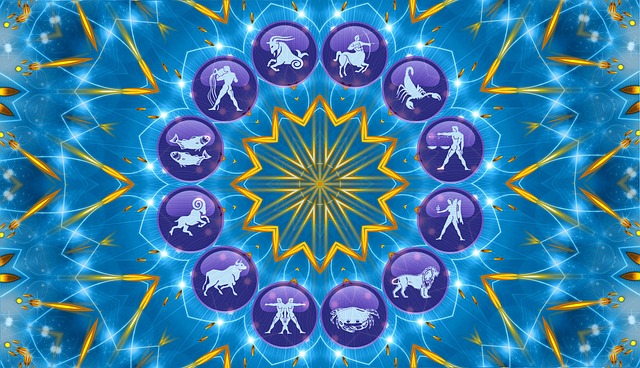
The Greeks refined the twelve-sign zodiac, linking each sign to specific personality traits and life events. They also divided the sky into twelve astrological houses, each governing different aspects of life, from health and wealth to relationships and career.
The Romans later embraced astrology, incorporating it into their state affairs. Emperors often had personal astrologers who advised them on matters of war, governance, and personal destiny. Astrology was deeply ingrained in Roman culture, influencing everything from the founding of cities to the selection of auspicious dates for public ceremonies.
Chinese Astrology and the Celestial Mandate
Across the world, ancient China developed its own unique system of astrology, which differed significantly from Western interpretations. Rather than being based on constellations, Chinese astrology was rooted in lunar cycles and a twelve-year zodiac system, with each year associated with an animal sign.
The Chinese believed that cosmic forces, or Qi, influenced all aspects of life, from an individual’s personality to the fate of an empire. The emperor was considered the “Son of Heaven,” and his right to rule was determined by the Mandate of Heaven, a concept deeply tied to celestial events. Natural disasters, eclipses, and planetary alignments were often seen as signs that a dynasty was losing favor with the heavens.
Chinese astrology also incorporated the five elements—wood, fire, earth, metal, and water—which, combined with the movement of the planets, helped determine the course of personal and political events. This system was widely consulted for marriage compatibility, agricultural planning, and military strategy.
Astrology as a Guide for Life
Although astrology was used for grand state matters, it also played a role in the daily lives of ordinary people. Farmers relied on celestial cycles to determine the best times to plant and harvest crops. Traders and sailors studied the stars to navigate their journeys safely across vast distances. Individuals sought astrologers to gain insight into their destinies, asking questions about love, family, and career.
Astrology was also deeply interwoven with medicine. Many ancient cultures believed that celestial movements affected the human body, and medical astrology was practiced to diagnose and treat illnesses. Specific zodiac signs were thought to govern different body parts, and treatments were sometimes prescribed based on the alignment of the planets at the time of an individual’s birth.
The Legacy of Ancient Astrology
Despite the rise of modern science, astrology continues to captivate people around the world. While it is no longer regarded as a tool for statecraft or medical diagnosis, many still turn to horoscopes for guidance, finding comfort in the idea that the stars offer insight into their lives.
The enduring fascination with astrology speaks to a deep human desire to find meaning in the universe. The same constellations that guided ancient civilizations still shine above us today, carrying the stories, myths, and beliefs of those who came before us. Whether viewed as a mystical art or a historical curiosity, astrology remains a testament to humankind’s eternal connection to the cosmos—a language of the stars that continues to be interpreted across cultures and generations.