Moon Phases and Mood Swings: Exploring the Emotional Pull of the Lunar Cycle
For as long as humanity has looked up at the night sky, the Moon has been a symbol of mystery, rhythm, and emotion. Unlike the steady presence of the Sun, the Moon is constantly changing—growing brighter, dimming into shadow, and disappearing entirely before beginning its cycle again. These visible shifts have inspired centuries of myths, rituals, and beliefs about the Moon’s influence over human behavior. Among the most persistent ideas is that lunar phases affect our moods, emotions, and even our decisions.
Article Sponsored by Parking Lot Striping Tallahassee
While modern science approaches this claim cautiously, cultural traditions and personal experiences continue to suggest that the Moon’s cycle may have a subtle emotional pull. Whether through symbolism, biology, or psychology, the connection between moon phases and mood swings remains a fascinating subject of exploration.
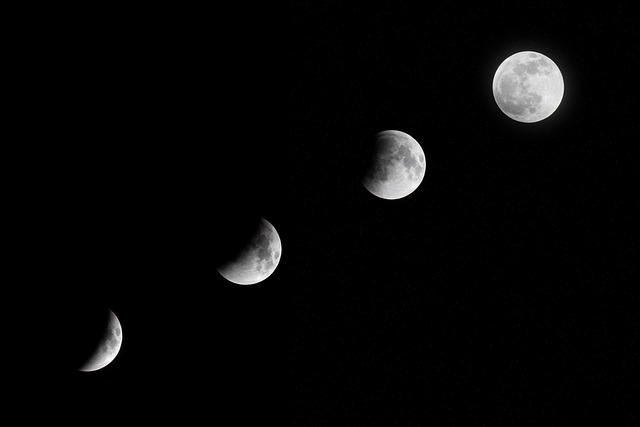
The Lunar Cycle: A Rhythm Written in Light
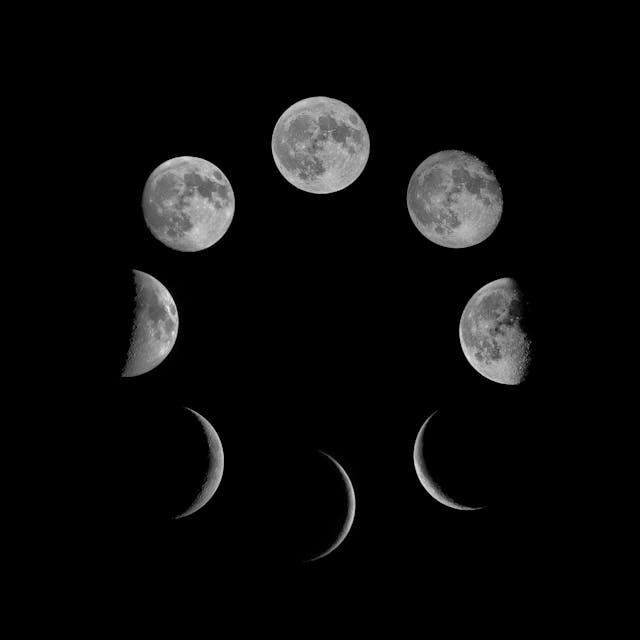
The Moon completes its cycle approximately every 29.5 days, moving through distinct phases as it orbits Earth. These phases—New Moon, First Quarter, Full Moon, and Last Quarter—represent a continuous pattern of growth and release. Unlike the Sun’s consistent daily rise and set, the Moon’s transformation is gradual, inviting observation and reflection.
This cyclical nature has led many cultures to associate the Moon with emotional patterns. Just as the Moon waxes and wanes, so too do human feelings fluctuate. The idea that our inner world mirrors the sky above has been a powerful metaphor for centuries, suggesting that emotional highs and lows are part of a natural rhythm rather than random chaos.
The Full Moon and Heightened Emotions
The Full Moon has long been associated with intensity. Folklore speaks of strange behavior, restless sleep, and heightened passion during this luminous phase. The very word “lunatic” originates from luna, the Latin word for Moon, reflecting the ancient belief that lunar brightness could stir unusual behavior.
Some people report feeling more energized, emotional, or sensitive during the Full Moon. It is often described as a time when hidden feelings rise to the surface, bringing clarity or confrontation. Symbolically, the Full Moon represents culmination and illumination—what has been building beneath the surface becomes visible.
Scientifically, evidence linking the Full Moon directly to mood changes remains inconclusive. However, the Moon’s brightness can influence sleep patterns, especially in environments without artificial lighting. Poor sleep, in turn, affects emotional regulation, which may explain why some people feel more reactive during this phase. Even if the cause is subtle, the experience of heightened awareness during a Full Moon remains common across cultures.
The New Moon and Emotional Reset
If the Full Moon symbolizes intensity, the New Moon represents stillness. When the Moon disappears into darkness, it marks the beginning of a new cycle. This phase is often associated with introspection and renewal.
Many spiritual traditions encourage setting intentions during the New Moon, viewing it as a moment to plant seeds for the future. Emotionally, this phase can feel quieter, more inward. It offers a pause—a chance to reflect rather than react. Just as the sky darkens before the Moon begins to grow again, people may feel drawn toward rest, contemplation, and subtle emotional shifts.
While science does not confirm mystical properties tied to the New Moon, the psychological impact of symbolic timing can be powerful. When individuals intentionally use this phase for reflection, they create structured moments for self-awareness, which can naturally influence emotional balance.
Waxing and Waning: The Build and Release of Energy
Between the New and Full Moons lies the waxing phase, a time when the Moon gradually increases in light. Symbolically, this period represents growth, momentum, and emotional build-up. People who pay attention to lunar cycles often describe feeling more motivated and forward-focused as the Moon grows brighter.
After the Full Moon, the waning phase begins. The light slowly diminishes, signaling a period of release and letting go. Emotionally, this stage may feel like a natural exhale. Just as tides recede after reaching their peak, individuals may feel compelled to resolve conflicts, clear emotional clutter, or step back from intense situations.
These metaphors resonate deeply because they mirror common human experiences. Emotional energy often builds gradually, reaches a peak, and then fades, much like the lunar light itself. Whether coincidence or cosmic influence, the pattern offers a comforting framework for understanding emotional shifts.
The Science Behind the Lunar Pull
The Moon’s gravitational force is responsible for ocean tides, a measurable and undeniable effect. Because the human body is composed largely of water, some speculate that the Moon might influence biological processes as well. However, scientific studies have not found strong evidence that lunar gravity directly affects human emotions.
That said, circadian rhythms—the internal clocks that regulate sleep and hormones—are sensitive to light exposure. In pre-industrial societies, moonlight would have been a significant nighttime light source, potentially influencing sleep cycles. Even today, some studies suggest slight variations in sleep quality during certain lunar phases. Since sleep and mood are closely connected, even small disruptions could contribute to perceived emotional changes.
Psychology also plays a role. If people believe that the Full Moon heightens emotions, they may unconsciously pay closer attention to their feelings during that time. This heightened awareness can reinforce the perception of lunar influence, creating a self-fulfilling pattern of observation.
Cultural and Spiritual Interpretations
Across cultures, the Moon has symbolized the feminine, intuition, and the subconscious. Ancient goddesses of the Moon were often associated with emotion, fertility, and transformation. Indigenous traditions frequently tied ceremonies and agricultural cycles to lunar phases, recognizing the Moon as a guiding force for life’s rhythms.
In modern spiritual practices, lunar rituals remain popular. Journaling during the Full Moon, meditating during the New Moon, and aligning personal goals with lunar phases are ways people consciously connect with celestial timing. Whether symbolic or energetic, these practices foster mindfulness, giving individuals structured opportunities to process emotions.
The Moon’s visible transformation offers reassurance that change is natural. Just as no phase lasts forever, emotional highs and lows are temporary. This perspective alone can provide comfort and stability during turbulent moments.
Finding Balance Within the Cycle
Whether the Moon directly influences mood or simply reflects natural emotional rhythms, its cycle offers a powerful metaphor for personal growth. Recognizing that emotions move in phases—building, peaking, and releasing—can help individuals approach their feelings with greater patience and self-compassion.
Instead of resisting emotional shifts, observing them as part of a larger rhythm can bring clarity. The Moon’s steady return to fullness and darkness reminds us that change is constant, yet cyclical. There is always another beginning after an ending, another rise after a fall.
In the end, the emotional pull of the lunar cycle may not be about gravity or cosmic forces alone. It may be about awareness—about pausing to notice the patterns in both the sky and ourselves. Whether guided by science, symbolism, or personal reflection, the Moon continues to illuminate not only the night but also the ever-changing landscape of the human heart.
Thank you for visiting our blog. We hope you are finding useful information while here. If you have any comments or questions, please contact us today. We also ask that you visit our sponsor, Line Striping Tallahassee.