The Language of the Stars: How Ancient Civilizations Used Astrology to Navigate Life
For thousands of years, humans have looked up at the night sky, seeing not just distant points of light but a celestial map filled with meaning. Long before modern science could explain the nature of stars and planets, ancient civilizations developed intricate systems of astrology to interpret their movements and their supposed influence on human affairs. These early cultures believed that the heavens were not only a divine canvas but also a guide to understanding time, fate, and destiny.
Astrology, derived from the Greek word astrologia, meaning “study of the stars,” was an integral part of many societies. It shaped calendars, dictated royal decisions, guided travelers, and was deeply woven into religion, mythology, and daily life. The belief that celestial bodies had a direct impact on earthly events was universal, though different civilizations interpreted their significance in unique ways.
The Birth of Astrology in Mesopotamia
One of the earliest known civilizations to study the stars was Mesopotamia, home to the Babylonians and Sumerians. Around 2000 BCE, Babylonian priests meticulously observed planetary movements, recording their positions and seeking patterns in their behavior. They believed that the gods communicated through the heavens, and these celestial messages could predict the fate of kings, nations, and individuals.
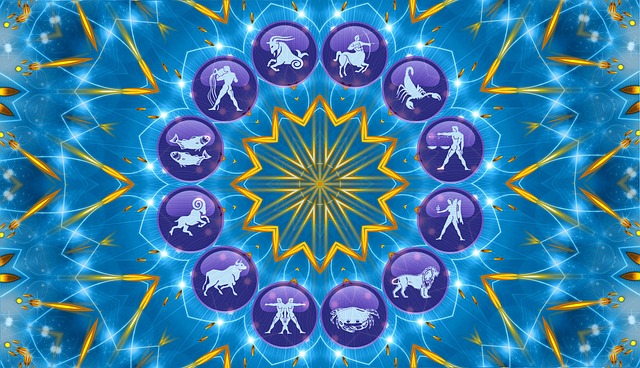
Their astrological system was closely tied to their religious beliefs. The Babylonians identified planets with gods—Jupiter was associated with Marduk, Venus with Ishtar, and Saturn with Ninurta. Eclipses were seen as omens, often interpreted as warnings of impending doom. By charting the stars, they created one of the earliest known zodiac systems, dividing the sky into twelve sections that would later influence the astrology we recognize today.
Egyptian Astrology and the Cosmic Order
Ancient Egypt also placed great significance on the stars, particularly in relation to their deities and the afterlife. The movements of celestial bodies were believed to reflect the will of the gods, and astrology played a role in temple rituals, agricultural cycles, and royal coronations.
One of the most important stars in Egyptian astrology was Sirius, the brightest star in the night sky. Its annual rising coincided with the flooding of the Nile, an event crucial to sustaining life in Egypt. This alignment led to the belief that Sirius held divine power, and it was associated with the goddess Isis. The Egyptian calendar itself was structured around these astronomical observations, with a sophisticated system that divided time according to celestial cycles.
The pharaohs, believed to be living gods, were thought to have destinies written in the stars. Astrologers were often consulted before making important political or military decisions, ensuring that actions were taken in harmony with the cosmic order.
Greek and Roman Contributions to Astrology
While astrology had long been practiced in Mesopotamia and Egypt, it was the Greeks who expanded and formalized the system into what we recognize today. The philosopher Pythagoras and mathematician Hipparchus studied celestial mechanics, while the scholar Claudius Ptolemy compiled his influential work, Tetrabiblos, which outlined the foundational principles of Western astrology.
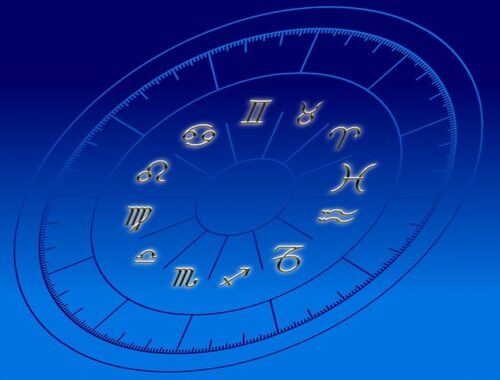
The Greeks refined the twelve-sign zodiac, linking each sign to specific personality traits and life events. They also divided the sky into twelve astrological houses, each governing different aspects of life, from health and wealth to relationships and career.
The Romans later embraced astrology, incorporating it into their state affairs. Emperors often had personal astrologers who advised them on matters of war, governance, and personal destiny. Astrology was deeply ingrained in Roman culture, influencing everything from the founding of cities to the selection of auspicious dates for public ceremonies.
Chinese Astrology and the Celestial Mandate
Across the world, ancient China developed its own unique system of astrology, which differed significantly from Western interpretations. Rather than being based on constellations, Chinese astrology was rooted in lunar cycles and a twelve-year zodiac system, with each year associated with an animal sign.
The Chinese believed that cosmic forces, or Qi, influenced all aspects of life, from an individual’s personality to the fate of an empire. The emperor was considered the “Son of Heaven,” and his right to rule was determined by the Mandate of Heaven, a concept deeply tied to celestial events. Natural disasters, eclipses, and planetary alignments were often seen as signs that a dynasty was losing favor with the heavens.
Chinese astrology also incorporated the five elements—wood, fire, earth, metal, and water—which, combined with the movement of the planets, helped determine the course of personal and political events. This system was widely consulted for marriage compatibility, agricultural planning, and military strategy.
Astrology as a Guide for Life
Although astrology was used for grand state matters, it also played a role in the daily lives of ordinary people. Farmers relied on celestial cycles to determine the best times to plant and harvest crops. Traders and sailors studied the stars to navigate their journeys safely across vast distances. Individuals sought astrologers to gain insight into their destinies, asking questions about love, family, and career.
Astrology was also deeply interwoven with medicine. Many ancient cultures believed that celestial movements affected the human body, and medical astrology was practiced to diagnose and treat illnesses. Specific zodiac signs were thought to govern different body parts, and treatments were sometimes prescribed based on the alignment of the planets at the time of an individual’s birth.
The Legacy of Ancient Astrology
Despite the rise of modern science, astrology continues to captivate people around the world. While it is no longer regarded as a tool for statecraft or medical diagnosis, many still turn to horoscopes for guidance, finding comfort in the idea that the stars offer insight into their lives.
The enduring fascination with astrology speaks to a deep human desire to find meaning in the universe. The same constellations that guided ancient civilizations still shine above us today, carrying the stories, myths, and beliefs of those who came before us. Whether viewed as a mystical art or a historical curiosity, astrology remains a testament to humankind’s eternal connection to the cosmos—a language of the stars that continues to be interpreted across cultures and generations.