The Cosmic Energy Shift: How Solar and Lunar Cycles Affect You
Throughout history, humans have been deeply connected to the cycles of the Sun and Moon. These celestial bodies do more than simply provide light and mark the passage of time—they influence nature, emotions, and even human behavior in ways both subtle and profound. While science explains these cycles in terms of physics and astronomy, many traditions believe that solar and lunar rhythms create energetic shifts that affect people’s moods, decisions, and overall well-being.
Understanding the effects of these cosmic cycles can help individuals align with natural rhythms, harnessing their energy for greater balance and personal growth. Whether it is the solar cycle shaping vitality and transformation or the lunar cycle guiding emotions and intuition, these cosmic forces may hold deeper significance than we realize.
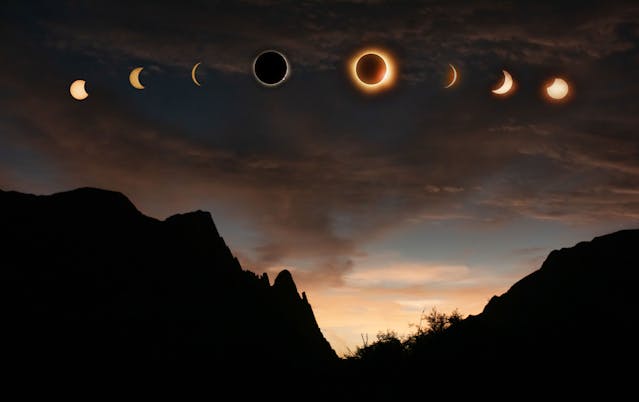
The Solar Cycle: The Energy of Growth and Renewal
The Sun, the center of our solar system, is a powerful force that governs life on Earth. Its cycles influence everything from the changing seasons to the biological rhythms of plants, animals, and humans. While we often take the Sun’s energy for granted, its patterns—both daily and yearly—play a vital role in shaping personal energy levels, motivation, and transformation.
The Daily Solar Influence
The Sun follows a predictable daily pattern, rising in the morning, reaching its peak at noon, and setting in the evening. This cycle mirrors human energy fluctuations. Many people feel the most alert and energized in the morning when sunlight triggers the release of cortisol, a hormone that helps wake the body. As the Sun reaches its highest point, it symbolizes peak activity and focus, making midday an ideal time for productivity. As the Sun sets, melatonin levels rise, preparing the body for rest and renewal.
People who align their activities with this natural rhythm often find they have more energy and a greater sense of well-being. Early risers who follow the Sun’s cycle tend to experience improved mood and productivity, while those who work against their natural circadian rhythm—such as night-shift workers—often struggle with sleep, health issues, and lower energy levels.
The Annual Solar Cycle and Personal Growth
Beyond its daily movement, the Sun follows an annual cycle, marked by the solstices and equinoxes. These seasonal shifts symbolize different phases of life, growth, and renewal.
- Spring Equinox: This period represents new beginnings, renewal, and awakening energy. Many cultures associate this time with fresh starts, planting seeds, and taking action on new goals.
- Summer Solstice: As the longest day of the year, the summer solstice is a time of peak energy, creativity, and vitality. It is a powerful time for taking bold steps and embracing personal expansion.
- Autumn Equinox: This season invites balance and reflection. It is a period to harvest the results of past efforts and prepare for slower, more introspective times.
- Winter Solstice: The darkest time of the year symbolizes rest, deep inner work, and transformation. It encourages individuals to retreat, reflect, and prepare for new growth in the coming cycle.
By recognizing these solar shifts, people can work with natural energy rather than against it, using each season to support their personal goals, rest cycles, and periods of change.
The Lunar Cycle: The Energy of Emotion and Intuition
Unlike the steady, structured energy of the Sun, the Moon governs emotions, intuition, and the subconscious. Its cycle, which lasts approximately 29.5 days, has been linked to mood fluctuations, sleep patterns, and decision-making. Many spiritual traditions believe that working with lunar energy can enhance personal growth, emotional healing, and self-awareness.
The Phases of the Moon and Their Influence
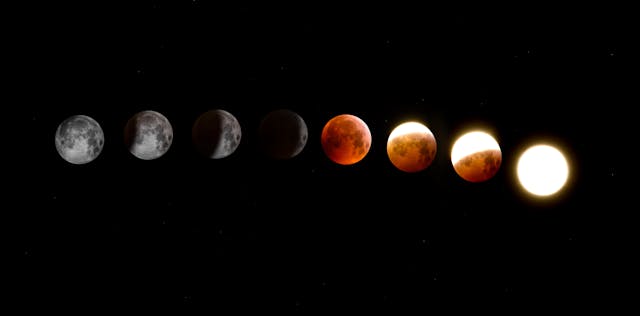
Each lunar phase carries a distinct energy that affects both inner and outer experiences.
- New Moon: This is a time of new beginnings and setting intentions. The energy is quiet and introspective, making it an ideal time for reflection and planning future goals.
- Waxing Moon: As the Moon grows in light, so does motivation and momentum. This phase supports taking action, starting projects, and building energy.
- Full Moon: The peak of lunar energy, the Full Moon is associated with heightened emotions, clarity, and manifestation. It is often a time of culmination and realization, where results of past efforts become visible. Many people report feeling more energized or emotionally intense during this phase.
- Waning Moon: As the Moon decreases in brightness, it invites a time of release and letting go. This is a phase for reflection, cleansing, and clearing out old habits, thoughts, or situations that no longer serve a purpose.
Lunar Energy and Human Emotion
Scientific research suggests that the Moon’s gravitational pull affects tides, and since the human body is largely made of water, some believe it may influence emotions in a similar way. While there is no definitive scientific proof that the Moon causes mood swings, many people report feeling more sensitive, restless, or intuitive around the Full Moon.
Traditional beliefs hold that heightened dreams, strong intuition, and emotional breakthroughs occur during lunar peaks, making it a powerful time for meditation, journaling, and deep personal insight. By paying attention to how one feels during different moon phases, individuals can better understand their own emotional cycles and use lunar energy to enhance self-awareness.
The Intersection of Solar and Lunar Cycles
While the Sun provides stability, structure, and long-term growth, the Moon offers fluidity, emotional depth, and short-term shifts. Together, these two celestial bodies create a balance of energy that influences personal well-being.
Some of the most potent energetic shifts occur when the solar and lunar cycles align in significant ways, such as during eclipses. Solar eclipses, which occur during a New Moon, are seen as powerful moments of transformation, often bringing sudden shifts in perspective or major life changes. Lunar eclipses, which happen during a Full Moon, are thought to reveal hidden truths, encourage emotional breakthroughs, and help individuals release past burdens.
Many cultures have long believed that these celestial events mark periods of deep change, both on a collective and personal level. Whether seen as cosmic coincidence or a symbolic force, eclipses and celestial alignments often bring about introspection and reevaluation.
Using Cosmic Energy to Enhance Daily Life
While solar and lunar cycles may seem distant or abstract, their effects can be felt in everyday life. By tuning into these cosmic rhythms, individuals can align their personal actions with natural cycles, leading to greater balance, creativity, and emotional well-being.
For those who feel energized by the Sun, following its cycles can help structure productivity and growth. For those who are deeply attuned to emotions and intuition, working with lunar phases may provide guidance for decision-making and self-reflection.
Rather than viewing these celestial influences as forces beyond control, they can be seen as natural guides—subtle yet powerful energies that help individuals navigate life with greater awareness. Whether through astrology, spirituality, or simply observing nature, recognizing these cosmic shifts allows people to work with the universe rather than against it, creating a more harmonious and intentional life journey.